“Beware
the ides of March” Julius Caesar was warned.
And yet on that day, the 15th of March, he was
assassinated. That was 44 B.C.
2053
years later, again on the ides if March, three more great soldiers fell: Norman Cain, Christopher Abeyta
and Robert Weinger.
They all drilled together at the Woodstock Illinois Armory where they
were members of Delta Company, 1st Battalion, 178th
Infantry Regiment.
Luke Saczek was also a member of Company D. He trained with Norman, Christopher and
Robert at
Ides
of March plus 2 weeks: Luke and Kathryn Saczek have their first baby.
Ides
of March plus 8 weeks: Specialist Lukasz
D. Saczek dies in
Ides
of March plus 8 weeks and 2 days: Luke
arrives at

The
55 soldiers of Delta Company left the Woodstock Armory on August 24th
last summer. 51 of them continue their
dangerous mission near the
War
is hard on soldiers. Hired assassins
with ice water in their veins would probably be effective in the field but they
would never find a job in our army. We
want our soldiers to be moral people. We
want them to respect their comrades, the civilians and even the enemy. We want them to be able to pull the trigger
and also be able to resist pulling the trigger.
We want them to love all life.
Luke was a good soldier and war is hard on soldiers, especially the good
ones.
On
Monday, four days from now, eight days after his death, he will be laid in
peace among the other heroes of AHNC. I pray that Emily, his small daughter, with
whom his life overlapped by only six weeks, will one day celebrate her father’s
contribution to civility and justice in this world and believe that his service
was worthy of his sacrifice.
Friday,
three days before Luke’s funeral: Still
no word. The Saczek
forum remains on the Watch List. Kevin
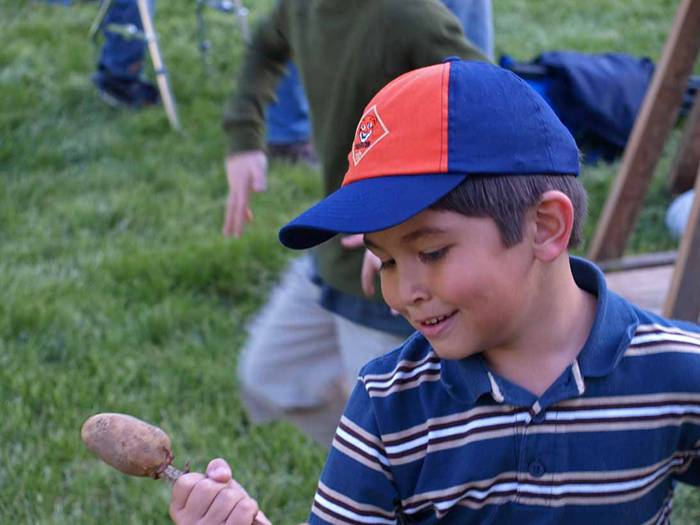
and I leave for a Pack 42 campout.
Sunday,
the day before: We return. It was good.
…and
I discover that the Saczek mission is a short-notice
go. In fact, I learn that the airport
escort has already happened and the visitation begins two hours from my reading
the email go. And its location is an
hour away. I’ll catch-up on my sleep tomorrow
night.
I go
to the church on my way to the funeral home.
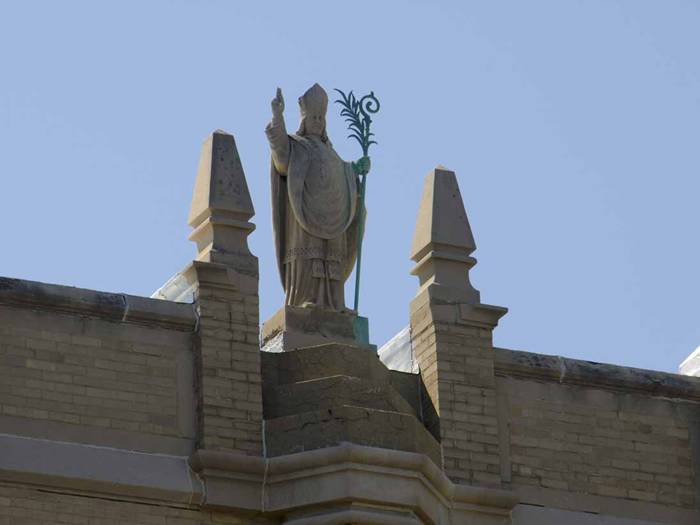
Saint Stanislaus Bishop and Martyr Catholic Church is a beautiful
structure built in 1914. It is named for
a Polish priest who lived a thousand years ago.

But
that is for the funeral tomorrow. Today
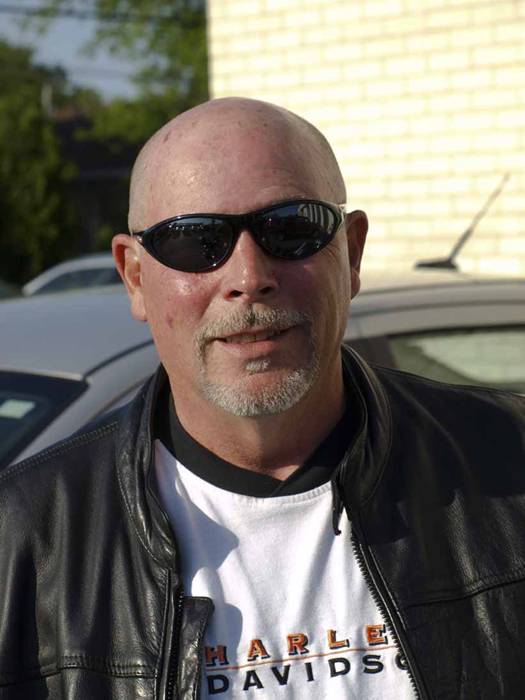
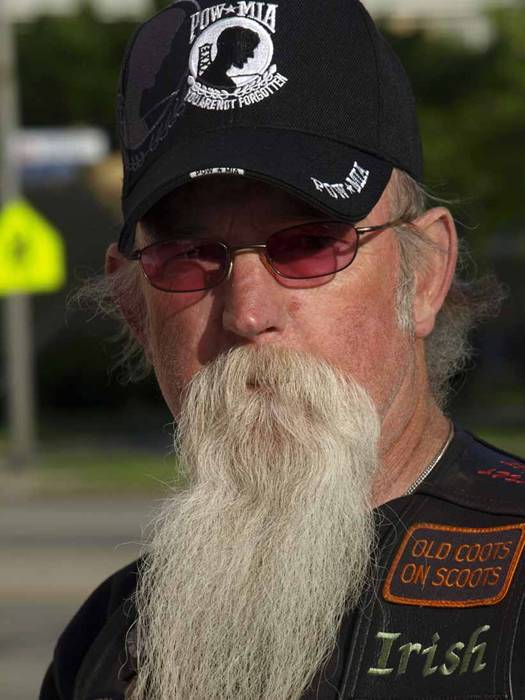
I reported to the funeral home for display-of-honor-and-respect duty. So did seven others.
Other
commitments will not allow me to make the trip to ALNC. I was asked to escort from the funeral home
to the church, however. Tonight I must
mount the mast on the bike and get the 5-by-8 ready. Tomorrow, Luke and I go to St. Stanislaus
together.
Monday,
at the funeral home:
Volume
2 of HOG magazine just came. (Harley
Owners’ Group) They just acquired this
beauty for the Harley-Davidson museum.
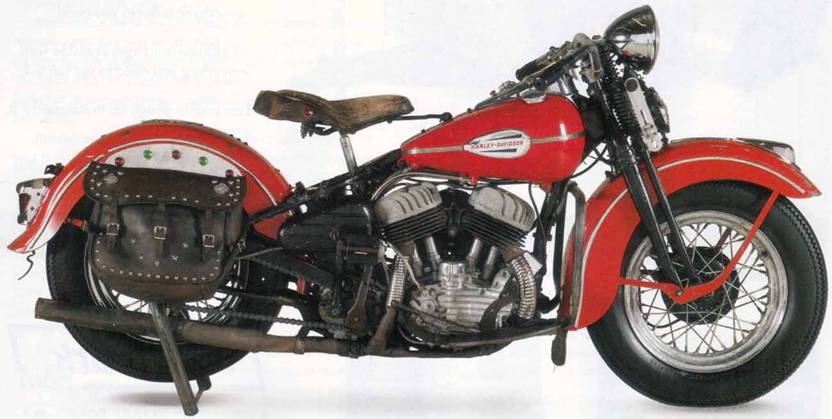
It’s
a ’41 WLD in very good condition. Homer
Van Sandt bought it for $400 and gave it to his son
Wallace just after he graduated from high school and just before he joined the
Army Air Corps. Wallace put 19,088
behind his red bike before he left for war as a B-17 tailgunner.
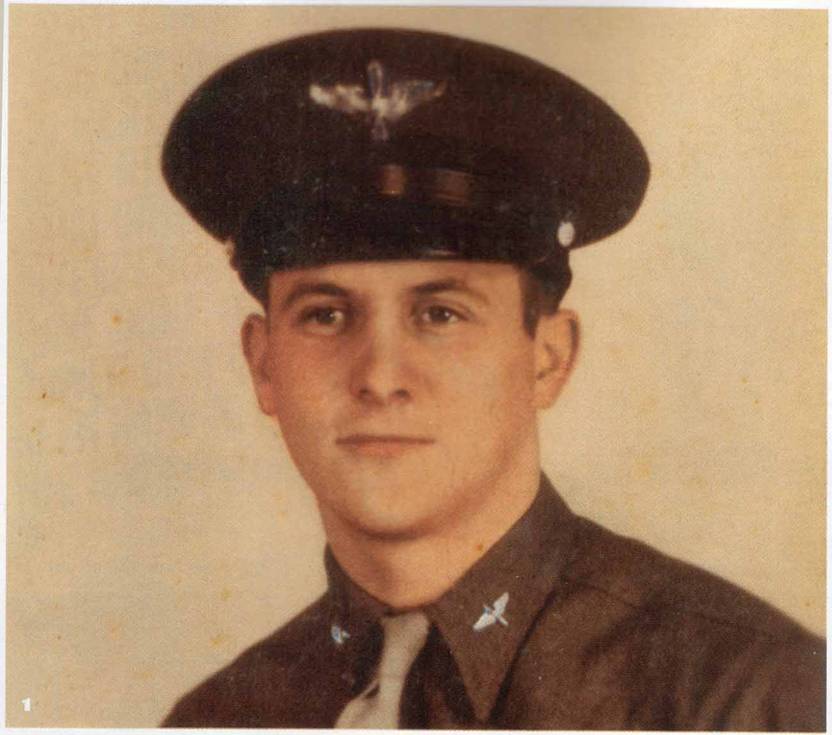
Sometimes,
things go wrong. On April 3, 1944 his
parents got this telegram.
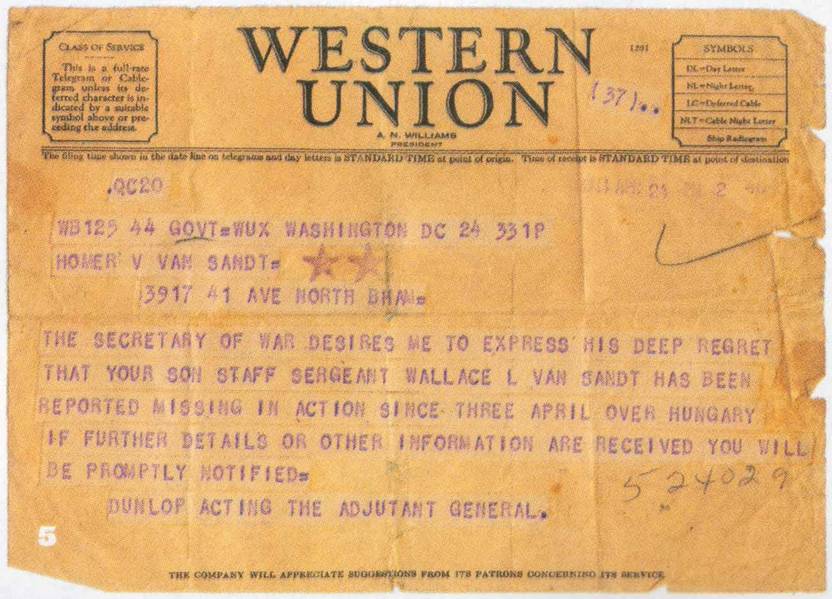
The
bike stayed in the family until it went to the museum, still with 19,088 miles
on it.
The
telegram informed the family in 44 words.
417,000 American warriors were killed in that war, so a telegram of 44
words was all we could do at the time.
We do more now.
Governor
Quinn would address the Luke’s family and their guests in the St. Stanislaus
sanctuary. He has been consistent as
Governor, and before that as Lieutenant Governor, attending the funerals of
This
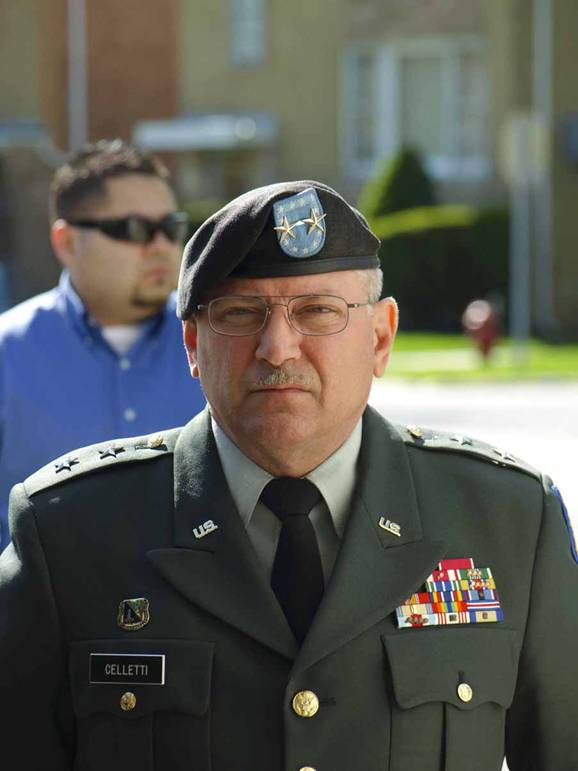
is Major General Celletti. He attended
all the funerals for the three Ides of March deaths of Company D. He attended the visitation for Luke yesterday
for three hours. Today he would stand
with Colonel Haerr and other soldiers and we PGRiders for another Company D funeral.
A
gentleman from the funeral home was picking-up litter from the parking lot
where the mourners would stage for the 7 mile trip to the church. He and five PGRiders
were the only ones waiting at 0730 when General Celletti
arrived. He came right over to us.

During
WWII when hundreds of American warriors died (on average) each day, that
reality that reality dominated the thoughts of general officers. Now, with less than one per day, it still
dominates.
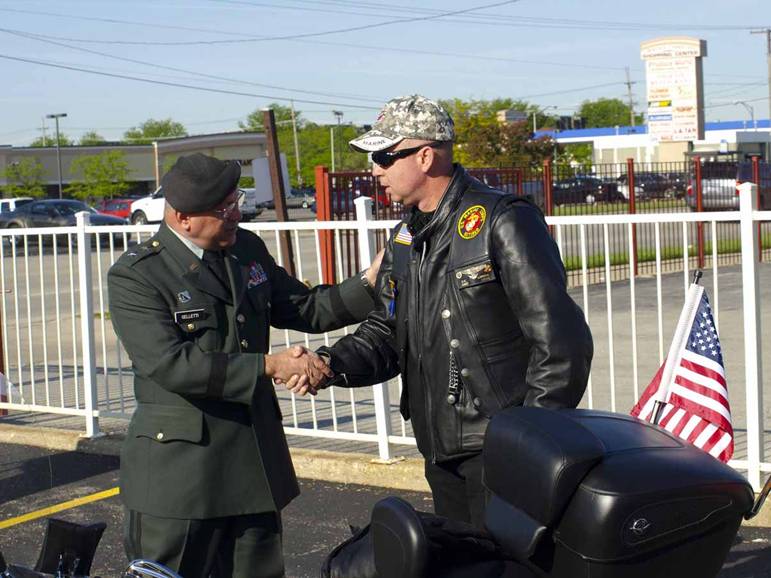
The
general’s aide wore the new army blues.

I
think the blues speak better than the greens to the gravity of the soldier’s
profession.

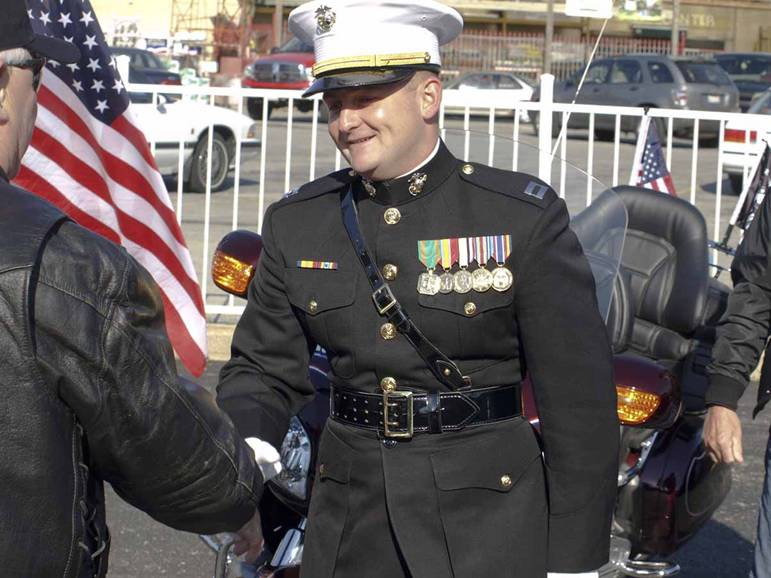
The
funeral director’s son arrived home yesterday for a visit. Tony.
A good Marine officer on leave doesn’t miss a chance to honor a soldier
at his funeral.
But
sometimes things go wrong. Rogene went down and had difficulty getting back up.
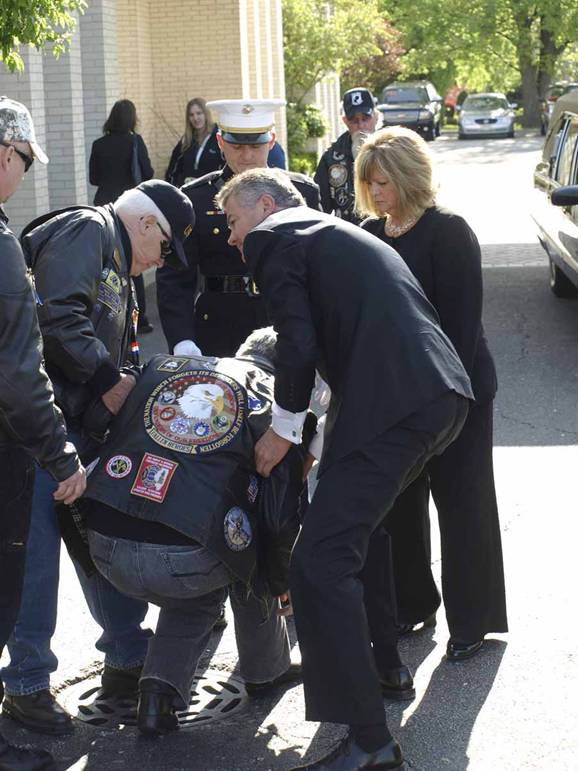
She
stepped wrong and twisted her ankle. A fluke. Most of us
would just go home, but not Ro. When
Irish asked if she wanted an anti-inflammatory she said that she had taken four
that morning for her back. (Make that,
“Most of us would not have left home.”)
She would soldier on.

Ro
led our 6-bike escort which led the hearse to the church where dozens of other PGRiders were waiting.
Confirming details for the 41 mile escort to the cemetery, she was in
obvious distress.
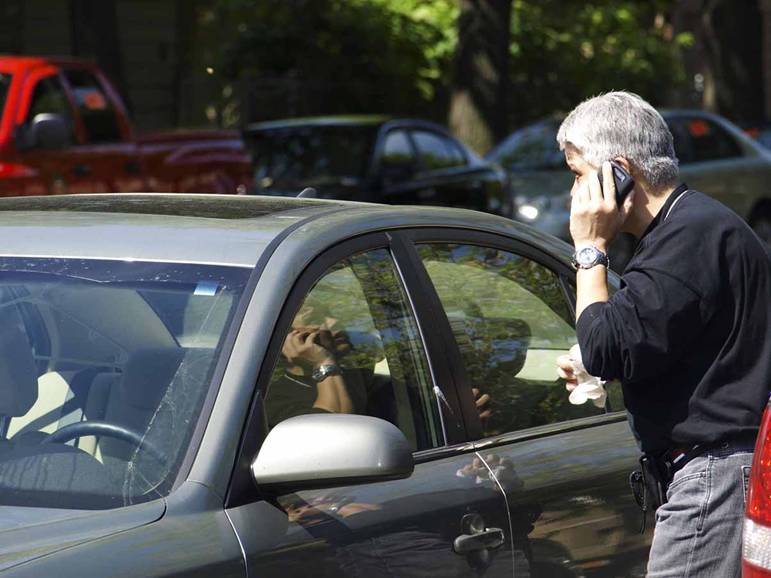
Matt
got her off her feet.
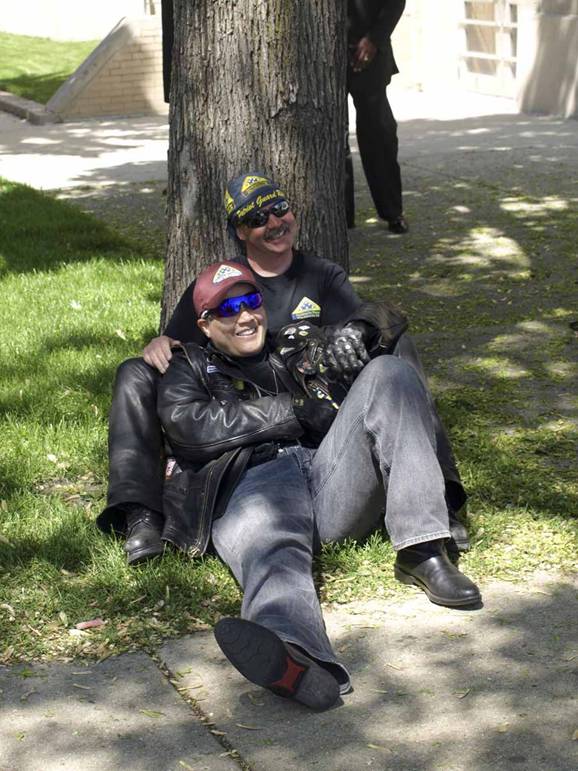
Tony
meets Don, retired after 23 years a Marine.
Don is a PGRider and Luke’s neighbor.

The
pallbearers carried Luke into the church where the casket flag was replaced
with a white pall for the funeral liturgy.
The pallbearers brought the casket flag back outside.

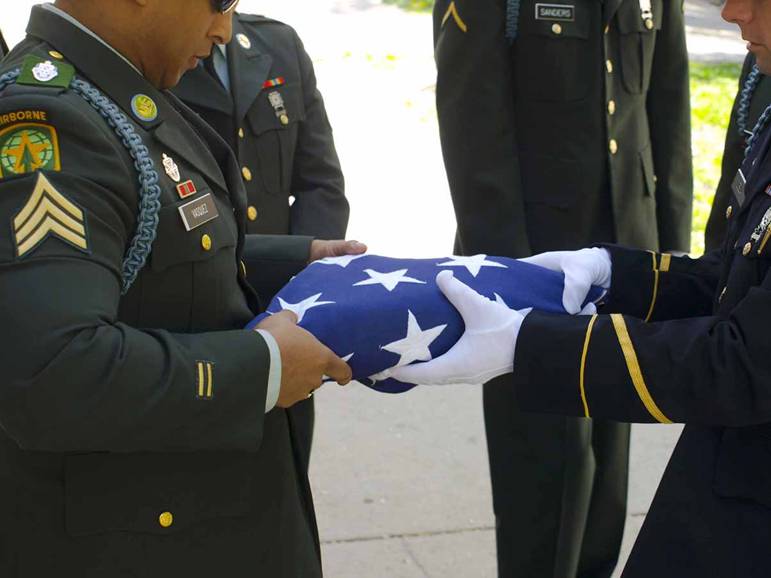
The soldier
in the blues wanted to practice folding the casket flag. Everyone in the detail readily focused on
this task. SPC Ciesla
instructed and then drilled the others.
Here, he and SPC Miller, two hand-picked
for this duty by the Company Commander, demonstrate. Then, while the family sat in the church, the
army detail unfolded and refolded the flag, again and again.

Because sometimes, things can go wrong.

When
the American military receives one of
Because
I was not going to make the trip to the cemetery, I planned to find a location
where the procession would pass and get photos of the many glistening bikes in
the bright sun. Then as the hearse
approached I would lower my camera and raise my salute. And then I would leave.
So I
confirmed the procession route and waited with these neighbors while the Catholics
prayed and the soldiers folded.

When
I hear that Governor Quinn was giving a eulogy I knew it was time to head west
on

Like
many people,
Nothing. The battery had served at the
Cub Scout campout, the funeral home and the church. It was spent.
I had another in the saddle bag, but I had no time. The ride captains, the funeral director and
the army detail had prepared better than I.
The photo of
I
wasted some effort with my camera as the bikes passed and then we straighten-up
and raised our right arms. The hearse
passed. Then the first car following the
hearse, driven by Luke’s father came to us.
His forearm was in his window. He
glanced at us. He made a gesture of
acknowledgement with his wrist.
It
was a beautiful day and the procession photos would have been good, but at
least Stanley and I were able to serve our higher purpose. Sometimes things go wrong, but everyone in
the procession was well aware of that.
funeral
photos
back to ALL MISSIONS